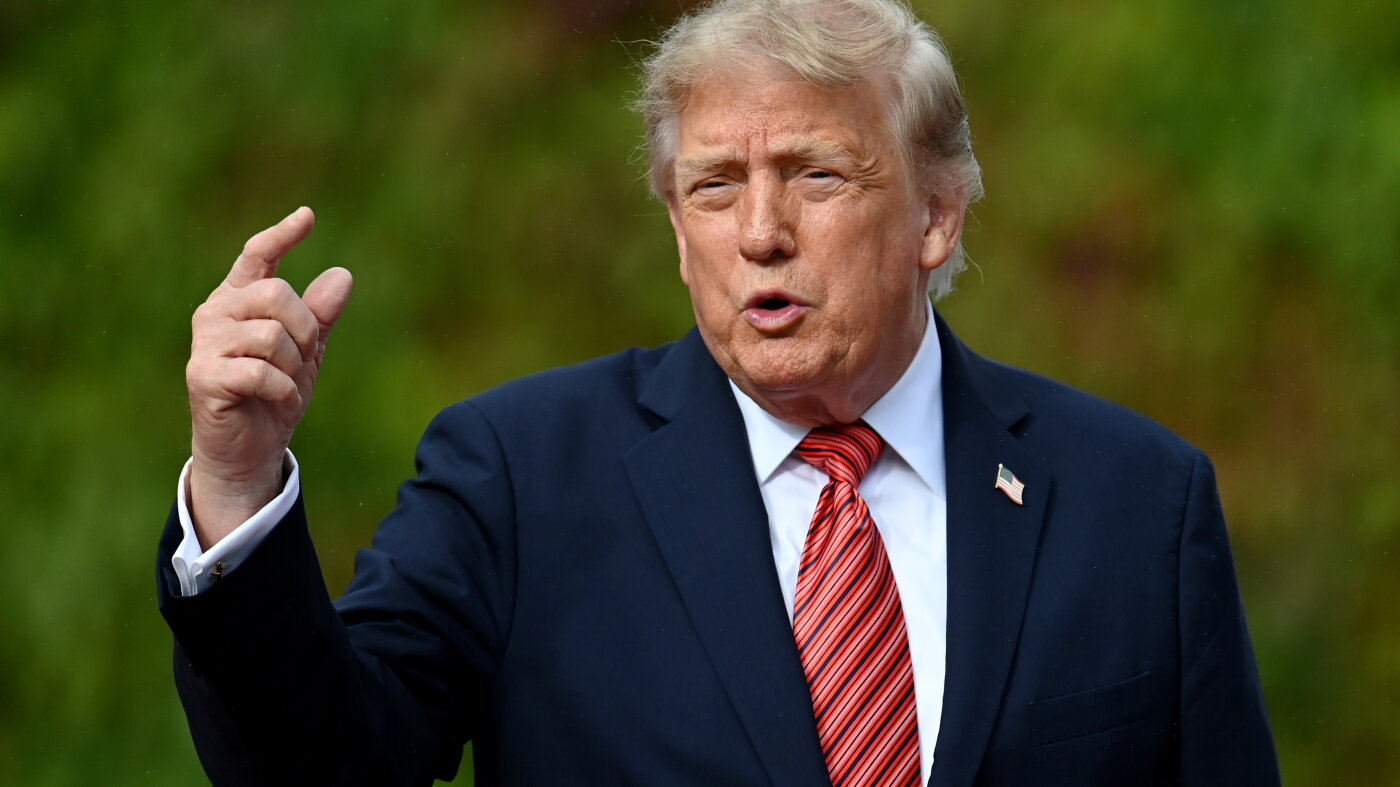
Reporters from CNN, MS NOW, and Politico found themselves locked out of the White House on Saturday after President Donald Trump issued a sweeping ban on the three organizations. The restrictions followed a Friday night post on Truth Social in which the president accused the outlets of reporting fiction and lies regarding his administration. This latest confrontation marks a significant escalation in the president’s long standing feud with the press, coming at a time when he is facing mounting pressure over an unpopular conflict in the Middle East and domestic economic struggles ahead of the midterm elections.
The reality of the ban set in quickly Saturday morning as journalists arrived for work only to find their credentials revoked. MS NOW reporter Akayla Gardner described being ordered by an officer to hand over her disabled badge, while veteran CNN correspondent Betsy Klein reported that a Secret Service agent seized hers without providing a detailed explanation. Similarly, Politico confirmed that one of its White House reporters was denied entry. In response, the affected networks released statements asserting their constitutional right to operate without government interference, with MS NOW emphasizing that the White House belongs to the American people and is funded by their tax dollars.
During a press conference on Friday afternoon, President Trump dismissed suggestions that he was attempting to intimidate the media. When questioned by a Bloomberg News reporter about the motivation behind the ban, Trump replied that he simply dislikes dishonest press and claimed that certain outlets purposefully write negative stories to diminish Republican administrations. He clarified that there was no single catalyst for the decision but rather a culmination of frustrations building over several years. He further warned that other news organizations might face similar consequences if they continue their current coverage patterns.
Legal experts and press advocates have swiftly condemned the move as an affront to democratic norms. Jacqui Heinrich, president of the White House Correspondents Association, reminded the administration that presidential approval is not a prerequisite for press freedom. Meanwhile, prominent First Amendment lawyer Theodore Boutrous told NPR that the ban appears unconstitutional on its face. While previous attempts by Trump to bar specific reporters during his first term and more recently from an Associated Press event were overturned by courts, those legal battles often drag on through lengthy appeals processes even as journalists remain sidelined.